
Performance Tech Tips
A comprehensive Guide for Synthetic Transaction Monitoring
Master synthetic transaction monitoring with our comprehensive guide. Enhance app performance, optimize user experience, and boost conversion rates.

Master synthetic transaction monitoring with our comprehensive guide. Enhance app performance, optimize user experience, and boost conversion rates.

Explore the top synthetic and infrastructure monitoring tools and their role in making your
apps reliable and responsive.
How often should you run synthetic monitoring? Learn about synthetic monitoring frequency best practices; see implementation examples, and more.
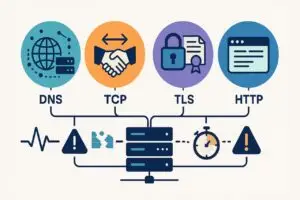
Learn how to monitor website errors by type. From DNS to TCP, TLS, and HTTP, see what each failure means and how monitoring reveals the root cause.

Learn why vibe-coded apps break differently and how synthetic monitoring provides the uptime safety net they lack.

Learn why it’s critical to monitor landing pages for uptime and performance from multiple geographic locations. Read about best practices, tips, & more.
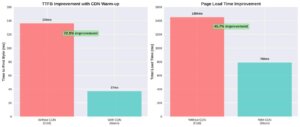
Synthetic monitoring helps you stay ahead of performance issues by proactively warming up CDN caches. Discover how to improve TTFB, cache hit ratios, and user experience.

Login pages are the front door to your website or application, and just like any front door, they need to be secure and easy to open. If your login page is slow or vulnerable to attacks, it can frustrate users and expose sensitive information. Whether you’re managing a small e-commerce

Monitoring distributed systems is essential to keep your system running smoothly, efficiently, and reliably. With the growing reliance on distributed systems in everything from web services to cloud computing and large-scale applications, having a robust monitoring setup is crucial. Let’s dive into what distributed systems are, their different types, key

When businesses promise their customers top-tier service, they often formalize these commitments in Service Level Agreements (SLAs). An SLA outlines performance standards such as uptime, response times, and issue resolution windows. However, meeting these standards is easier said than done. That’s where Dotcom-Monitor comes in by providing comprehensive monitoring solutions