
Network Services Monitoring
VPN Connection Monitoring: Performance & Availability
Learn how VPN connection monitoring helps teams measure performance, availability, and access reliability across encrypted network paths.

Learn how VPN connection monitoring helps teams measure performance, availability, and access reliability across encrypted network paths.

This guide explores the critical aspects of web monitoring, from performance tracking to change detection and intelligent alerting systems.
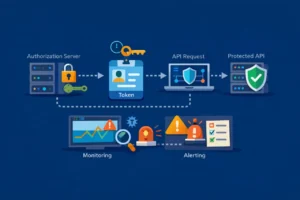
This article focuses on how to monitor OAuth 2.0 client credentials flows end to end; from token issuance to authenticated API calls, so DevOps teams can detect failures early, isolate root causes faster, and maintain reliable integrations.
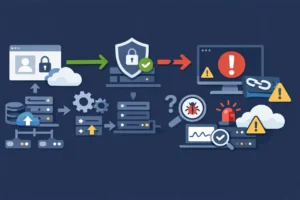
Because the Authorization Code Flow is browser-driven, these failures show up as broken login experiences rather than obvious infrastructure alerts. Without visibility into how authentication behaves over time, teams are left reacting to user reports instead of proactively validating that OAuth flows still function as expected.
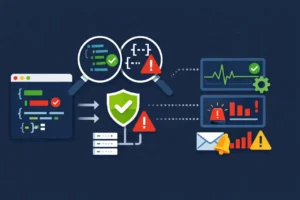
Most API monitoring setups still rely on a narrow definition of success: Did the endpoint respond, and did it return a 200 status code? While availability is essential, it’s no longer enough for modern, API-driven systems.
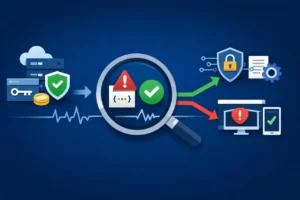
This article explains how to monitor JWT tokens and OAuth token endpoints in real-world production environments, what competitors and specs fail to cover, and how to detect authentication failures before they cascade into API outages.

What online HTTP clients are not designed to do is tell you whether a POST request will keep working over time, across regions, or as part of a larger API workflow. They provide a point-in-time answer, not continuous assurance.
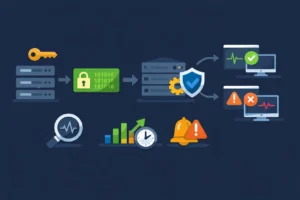
OAuth 2.0 is often treated as a solved security problem; configured once, then forgotten. In reality, OAuth-based authentication is one of the most fragile dependencies in modern API ecosystems. When OAuth breaks, APIs don’t just degrade gracefully; they often fail completely.
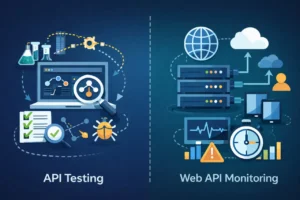
API testing focuses on validating endpoints before release. It helps teams confirm correctness, enforce contracts, and catch issues early in controlled environments. Web API monitoring, by contrast, continuously validates APIs after deployment, from the outside, under real-world conditions.

Master advanced synthetic monitoring techniques for SREs: build resilient scripts for logins, dynamic content & complex validations with our technical guide.