API Uptime Monitoring Explained: How to Measure True API Availability in Production
API uptime monitoring should validate auth, data, and latency, not just 200 OK. Detect silent failures, regional issues, and true availability.

API uptime monitoring should validate auth, data, and latency, not just 200 OK. Detect silent failures, regional issues, and true availability.

API health monitoring goes beyond uptime checks. Learn how to detect silent API failures using assertions, synthetic monitoring, SLOs, and alerts.

What it is, why it matters, and best practices to choose the best website monitoring service for uptime, performance, and user experience.

Learn how Office 365 synthetic monitoring verifies availability and exposes user-impacting issues beyond status pages.

Choose the best website monitoring tool with our strategic guide. Compare features, avoid pitfalls & implement a framework for optimal web performance monitoring.

Learn how VPN connection monitoring helps teams measure performance, availability, and access reliability across encrypted network paths.

This guide explores the critical aspects of web monitoring, from performance tracking to change detection and intelligent alerting systems.

This article focuses on how to monitor OAuth 2.0 client credentials flows end to end; from token issuance to authenticated API calls, so DevOps teams can detect failures early, isolate root causes faster, and maintain reliable integrations.

Because the Authorization Code Flow is browser-driven, these failures show up as broken login experiences rather than obvious infrastructure alerts. Without visibility into how authentication behaves over time, teams are left reacting to user reports instead of proactively validating that OAuth flows still function as expected.

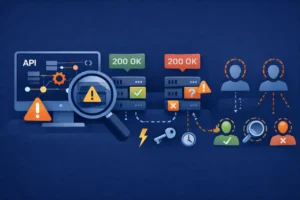
Most API monitoring setups still rely on a narrow definition of success: Did the endpoint respond, and did it return a 200 status code? While availability is essential, it’s no longer enough for modern, API-driven systems.