- Home
- Company
- Services
- Features
- Sign-up
- Pricing
- Resources
- Tools
- Contact Us
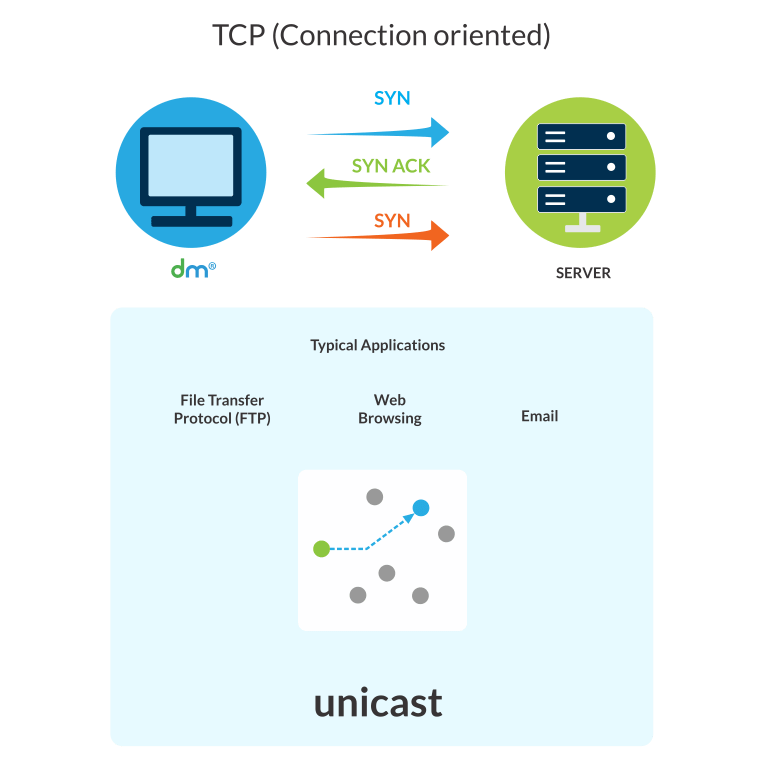
TCP port monitoring is one of options developed by Dotcom-Monitor® which allows you to check Internet services in one more way. How does port monitor works? Our agents from all over the world will try to connect to the server specified on the specified port and see if the remote computer accepts connections on this port. If the connection is not accepted the service is probably down and the notification process will start. Dotcom-Monitor® realize TCP port monitoring using telnet.
In computer networking, a port is identified by number system resource allocated to an application running on a host network, to communicate with applications running on other network hosts (including with other applications on the same host).
In a typical client-server model application is waiting for the incoming data (or the connection request, "Listening TCP port"; the role of server), or sends data (or the connection request) to the known TCP port, opened by the application server (client role).
Phishing attacks are growing steadily at 64% worldwide per year. As the concern over cyber threats grows, an untraditional use of website monitoring has become part of the cyber security portfolio. Learn how certain Dotcom-Monitor clients are provocatively addressing phishing attacks with website monitoring.The [read more]
In addition to the internal system security and protections a bank uses, external website monitoring aids in quickly recognizing and dealing with potential security threats. In many cases external monitoring provides the earliest warning and helps to pinpoint what is going wrong during a cyber attack.The [read more]
If you bank with anyone larger than a local credit union, it's likely your bank's website has been attacked within the past few months as recent denial-of-service cyber attacks have increased in both frequency and severity. An April 2013 NBC News report found that in the six weeks prior, 15 of the nation's [read more]