In today’s digital financial landscape, transaction monitoring software has become essential for businesses and financial institutions aiming to prevent fraud, money laundering, and other illicit activities. A transaction monitoring tool automatically tracks and analyzes financial transactions in real time, using predefined rules, algorithms, and AI-driven analytics to detect suspicious behavior.
These systems monitor various parameters—such as transaction amounts, frequency, origin, and destination to identify anomalies or red flags that may signal fraudulent or non-compliant activity. When potential risks are detected, the transaction monitoring software generates alerts for further investigation or can even automatically block transactions to prevent loss.Beyond detection, modern transaction monitoring tools provide advanced features like risk scoring, case management, and regulatory reporting.
They help compliance teams efficiently manage alerts, ensure adherence to Anti-Money Laundering (AML) and Know Your Customer (KYC) regulations, and maintain the integrity of financial systems.
In this blog, we’ll explore the best transaction monitoring software available today, their key features, and how they empower organizations to stay compliant and secure in an increasingly complex financial environment.
How Transaction Monitoring Software Works
Modern transaction monitoring software operates as a layered system designed to detect, analyze, and report suspicious financial activity in real time. By integrating data from multiple sources and combining rule-based logic with machine learning, these systems help financial institutions maintain compliance and prevent fraud with precision.
Data Collection and Integration
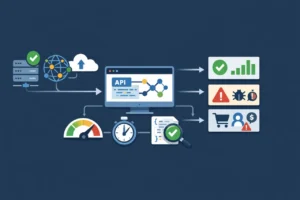
Monitoring begins with real-time data collection from diverse sources—including banking systems, payment processors, credit card networks, and internal databases. The transaction monitoring tool gathers crucial information such as transaction amounts, timestamps, locations, counterparties, and customer profiles.
Through API integrations, this data is centralized for seamless analysis across the organization’s infrastructure.
Rule-Based and Analytical Screening
Once collected, every transaction runs through a set of predefined compliance rules.
These rules flag high-risk behaviors such as
- Unusually large or frequent transfers
- Transactions just below reporting thresholds
- Payments involving high-risk jurisdictions
- Dealings with sanctioned or blacklisted entities
In addition to rules, behavioral analytics and machine learning models assess patterns and deviations in user activity. This dual approach allows the software to detect complex fraud schemes that static rules might overlook.
Risk Scoring and Alert Generation
Each transaction is assigned a risk score based on contextual factors—such as customer history, account type, and transaction frequency. When an anomaly exceeds risk thresholds, the transaction monitoring software automatically generates an alert. Depending on the system’s configuration, alerts can trigger automatic actions (like freezing an account) or escalate to human analysts for review.
Case Management and Reporting
Once flagged, alerts enter a case management system where compliance teams investigate, document, and take corrective actions. If suspicious activity is confirmed, institutions may need to file a Suspicious Activity Report (SAR) with relevant regulatory authorities.
Comprehensive audit trails and reporting features ensure transparency and regulatory compliance, helping teams streamline investigations and maintain documentation for audits.
Continuous Optimization and Machine Learning
The best transaction monitoring systems evolve continuously. By retraining models and fine-tuning rules based on historical data, institutions can reduce false positives and adapt to new fraud tactics.
Risk-based monitoring lets organizations closely examine high-risk customers while making it easier for low-risk ones, striking a balance between being efficient and staying secure.
What is a Transaction Monitoring System in AML?
A transaction monitoring system in AML (Anti-Money Laundering) is a type of software that helps banks and businesses spot unusual transactions that could be linked to money laundering or other financial crimes.
Its primary role is to ensure that financial services are not exploited for concealing illicit funds. By continuously analyzing deposits, withdrawals, transfers, and payment activities, AML transaction monitoring systems provide compliance teams deep insight into customer behavior and financial activity.
Modern transaction monitoring tools use automation, rules, and machine learning to flag potentially suspicious transactions for review—a process that has replaced traditional manual tracking. These systems make compliance more efficient and help organizations follow global rules like the FATF, BSA, and EU AML directives.
Anti-Fraud vs. AML Transaction Monitoring Systems
While both anti-fraud and AML transaction monitoring systems detect suspicious financial behavior, they serve distinct purposes within an organization.
- AML monitoring systems focus on identifying potential money laundering and terrorist financing activities to maintain regulatory compliance.
- Anti-fraud systems broaden their scope by identifying various forms of fraud, including credit card theft, phishing, and identity theft, with the primary objective of mitigating financial losses.
Organizationally, the Chief Compliance Officer (CCO) manages AML programs, while the Chief Risk Officer (CRO) typically oversees fraud monitoring. Both rely on pattern detection, rule-based screening, and case management systems—but their “red flags” and reporting requirements differ based on their focus areas.
What Do AML Transaction Monitoring Tools Detect?
AML transaction monitoring software tracks customer account activity to identify potential financial crimes, helping institutions file suspicious activity reports (SARs) and prevent reputational or regulatory damage. Below are some of the key activities it detects:
Money Laundering
Money laundering involves disguising the origins of illegally obtained money so it appears legitimate. AML systems detect this process across its three key stages:
- Placement: Inserting illicit funds into the financial system
- Layering: Moving funds through complex transactions to obscure their source
- Integration: Reintroducing “cleaned” money into the economy via legitimate means
Advanced transaction monitoring tools also flag activities tied to shell companies, unusual investments, or large unexplained transfers.
Terrorist Financing
Terrorist financing refers to providing financial support to individuals or organizations engaged in terrorism.
AML systems screen transactions against global sanctions lists such as the FATF Blacklist and other government watchlists to ensure funds aren’t being channeled to prohibited entities.
Fraud Detection
Although not limited to AML, transaction monitoring software is also crucial for detecting fraud.
Common red flags include:
- Identity theft and unauthorized account access
- False insurance claims or wire fraud
- Suspiciously timed or structured transactions
These alerts allow financial institutions to take swift action, freeze accounts, and protect both customers and assets.
Drug Trafficking
Given that the global drug trafficking market is worth over $400 billion, criminals often use money laundering to legitimize illicit proceeds. AML monitoring tools detect transaction networks, high-risk geographies, and patterns associated with narcotics trade and trafficking operations.
Bribery and Corruption
Transaction monitoring systems can uncover bribery and corruption indicators, including:
- Irregular or excessive cash payments
- Lavish gifts or expense claims
- Pressure to use specific vendors or contractors
- Non-transparent contracts or fund transfers
By identifying these anomalies, organizations can safeguard themselves from internal misconduct and regulatory breaches.
Identity Theft
Identity theft occurs when a criminal gains unauthorized access to someone’s personal or financial information. AML systems can spot unusual account activities—such as multiple failed login attempts, new devices, or abnormal spending patterns—and trigger alerts for investigation before major losses occur.
Why AML Transaction Monitoring Matters
Effective AML transaction monitoring software helps institutions:
- Detect and prevent financial crimes early
- Maintain compliance with global AML regulations
- Avoid hefty fines and reputational damage
- Build customer trust through transparent practices
Explore Dotcom-Monitor’s Monitoring Solutions
Take your compliance and fraud prevention strategy to the next level. Discover how Dotcom-Monitor’s full suite of monitoring products can help your organization detect risks faster, stay compliant, and build trust with every transaction.
Features of Transaction Monitoring Software
A powerful transaction monitoring software is vital for financial institutions aiming to meet compliance regulations and prevent illicit financial activity. When evaluating the best transaction monitoring tool, it’s essential to look for features that ensure accuracy, adaptability, and operational efficiency. Below are the most critical features to consider:
Real-Time Detection with Risk Scoring
Modern transaction monitoring software must offer real-time transaction analysis combined with dynamic risk scoring. This allows the system to instantly assess whether to approve, decline, or flag a transaction for review. Real-time detection minimizes false alarms, reduces customer friction, and ensures faster compliance with AML and fraud-prevention requirements.
Customizable Rules and Scenarios
Regulatory requirements are constantly evolving—and so should your transaction monitoring tool. The ability to easily create, modify, and test detection rules without needing developer support gives compliance teams the flexibility to adapt quickly. Custom rules also help fine-tune the system to detect institution-specific risks.
Sandbox Testing Environment
The best transaction monitoring software includes a sandbox testing environment that allows institutions to test detection rules using both historical and live data. This helps identify gaps, minimize false positives and negatives, and optimize rule performance. Advanced tools even leverage AI and machine learning to suggest rule improvements based on real behavioral data.
Advanced Reporting and Seamless Integrations
Comprehensive reporting features are essential for audit trails, regulatory filings, and suspicious activity reports (SARs). Look for transaction monitoring tools that integrate easily with existing KYC, CRM, and case management systems. These integrations provide a unified view of customer behavior and ensure consistent compliance across all financial workflows.
Importance of Transaction Monitoring Software
In today’s fast-moving financial landscape, transaction monitoring software plays a critical role in protecting organizations from fraud, money laundering, and terrorist financing. By continuously analyzing financial transactions, it helps detect suspicious activity, ensure regulatory compliance, and safeguard both business reputation and customer trust.
Modern transaction monitoring tools use a combination of rules, advanced analytics, and machine learning to identify anomalies in real time—giving compliance teams the insight and agility they need to act quickly and accurately.
Key Reasons Why Transaction Monitoring Software Is Important
Fraud and Financial Crime Prevention
A robust transaction monitoring tool detects and helps prevent financial crimes such as money laundering, terrorist financing, bribery, and identity theft. By identifying unusual transaction patterns and suspicious behaviors, it acts as a frontline defense against both internal and external threats.
Ensures Regulatory Compliance
Financial institutions face strict regulations like Anti-Money Laundering (AML), Counter-Terrorist Financing (CTF), and sanctions screening requirements. Transaction monitoring software ensures ongoing compliance by automatically flagging high-risk activities, reducing the likelihood of costly fines and regulatory penalties.
Enhanced Risk Management
Advanced systems provide features like
- Customer Risk Scoring: Evaluates customer behavior based on transaction history, geography, and relationships to identify high-risk accounts.
- Link Analysis: Maps connections between accounts and entities to uncover hidden networks of suspicious activity.
- Geospatial Analysis: Detects cross-border transactions or activity originating from high-risk jurisdictions.
Improved Operational Efficiency
Intelligent transaction monitoring tools help compliance teams work more efficiently by:
- Reducing False Positives: AI and machine learning minimize unnecessary alerts and alert fatigue.
- Prioritizing Alerts by Risk: Ensures that analysts focus on the most critical incidents first.
- Providing a Holistic Customer View: Consolidates customer data across accounts and products for more accurate insights.
Adaptability to Emerging Threats
Modern transaction monitoring software evolves with emerging fraud techniques. Through continuous learning and AI-driven pattern recognition, it adapts to new criminal strategies that traditional rule-based systems might miss.
How to Deploy a Better Transaction Monitoring Tool
Implementing a powerful transaction monitoring tool is not just about meeting compliance requirements—it’s about building a proactive defense system against financial crime. Whether deployed on-premise or integrated as an outsourced third-party solution, effective transaction monitoring software should form a key part of your organization’s risk management, customer screening, and compliance workflows.
Below are best practices to ensure smooth deployment and maximum efficiency of your transaction monitoring system.
Analyze Inbound and Outbound Transactions
Comprehensive monitoring begins with evaluating both the inflow and outflow of funds—and verifying the identities behind each transaction. This process aligns with Know Your Customer (KYC) and Customer Due Diligence (CDD) standards. Accurate identity verification helps identify inconsistencies in user behavior and strengthens AML compliance across your organization.
Monitor User Activity Across Channels
Customer behavior differs across financial products and user segments. Your transaction monitoring software should continuously track customer activity and detect unusual patterns—such as digital bank accounts involved in rapid fund transfers. Use custom rules, dynamic risk scoring, and prioritized alerts to fine-tune detection accuracy and minimize false positives.
Track Transaction Velocity
Velocity tracking is one of the most effective techniques for detecting suspicious activity. Configure velocity rules within your transaction monitoring tool to flag high-frequency or unusually rapid transactions. Calibrate your thresholds based on typical customer behavior—for example, payroll processing or business accounts with high transaction volumes—to maintain balance between vigilance and user experience.
Validate IBANs with Context
While tools like IBAN.com can help verify International Bank Account Numbers (IBANs), they may not always offer complete information regarding digital or fintech accounts (e.g., Wise, Revolut, or Monzo) that operate under sponsor banks. When integrating automated verification into your transaction monitoring system, consider contextual factors such as geolocation, sanctions lists, and banking relationships to avoid misleading results.
Log and Analyze Historical data
Strong AML programs go beyond real-time alerts—they leverage historical transaction data for trend analysis and model refinement. A reliable transaction monitoring software should maintain detailed logs for retrospective investigations and compliance audits. Historical data can also be used to train AI and machine learning models, improving detection precision and adapting to new criminal patterns over time.
Enhance Visibility with Synthetic Monitoring
Combine the power of transaction monitoring with real-time Synthetic Monitoring to gain full visibility into your systems’ performance and reliability. Proactively detect issues, validate critical workflows, and ensure your applications perform flawlessly before they impact end users.
The Challenges of Deploying Tools for Transaction Monitoring
While implementing transaction monitoring tools is essential for compliance and fraud prevention, deployment often introduces challenges that can slow down operations and strain internal resources. Many financial institutions and businesses struggle to balance accuracy, cost, and efficiency when rolling out or maintaining transaction monitoring software.
Below are some of the most common challenges organizations face:
High Implementation and Maintenance Costs
Deploying transaction monitoring software — whether on-premise or cloud-based — involves significant upfront investment in technology, integration, and staff training. Ongoing maintenance, periodic updates, and licensing fees further add to operational costs, making affordability a key concern for smaller institutions.
Labor-Intensive Compliance Operations
Even with automation, transaction monitoring tools generate large volumes of alerts that require human investigation. Compliance teams must analyze flagged transactions, document findings, and prepare regulatory reports—all of which demand considerable manpower and expertise. Without sufficient staffing, this process can lead to backlogs and slower response times.
Time-Consuming Alert Management
Alert fatigue is one of the biggest challenges in transaction monitoring. The high volume of false positives can overwhelm compliance analysts, making it difficult to identify genuinely suspicious activity in real time. As a result, critical threats may go unnoticed, and operational efficiency can decline.
Essential Factors to Consider When Selecting Transaction Monitoring Software
Fintechs depend on advanced transaction monitoring software to safeguard their platforms against increasingly sophisticated financial crimes. They hold dual responsibility to customers and to regulators to ensure that their financial systems aren’t exploited by criminals. However, in the fast-paced world of fintech, adopting slow or inefficient solutions isn’t an option.
With constant technological evolution and ever-more creative threats, fintechs must embrace cutting-edge transaction monitoring systems that can quickly detect, intercept, and report suspicious activities — without compromising transaction speed or user experience.
The ideal solution should not only keep pace with today’s complex financial ecosystem but also ensure that legitimate transactions flow smoothly. Below are four key criteria to consider when selecting the best AML (Anti-Money Laundering) transaction monitoring software for your organization.
Regulatory Compliance
According to Deloitte, financial institutions are increasingly investing in intelligent technologies to reduce the cost and complexity of compliance. This trend is underscored by the rapid adoption of AI-driven AML systems by top-tier banks — a move even supported by FATF (Financial Action Task Force), which encourages the use of AI and machine learning to enhance AML and CFT (Counter-Financing of Terrorism) efforts.
While adopting AI-based tools isn’t yet a legal requirement, global regulators are tightening compliance standards every year. Fintechs will inevitably face mounting pressure to implement AI-enhanced monitoring to stay compliant and prevent costly AML fines.
Rules-Based vs. AI-Powered Monitoring
FATF’s risk-based approach emphasizes that businesses must identify, assess, and mitigate risks based on their exposure — not all customers or jurisdictions carry the same risk level.
Traditional rules-based monitoring systems rely on static, predefined logic to flag suspicious transactions. These systems often create two main issues:
- Excessive false positives that overwhelm analysts
- Missed detection of new or evolving threats
Modern AI and machine learning-based solutions overcome these limitations by autonomously learning from vast datasets. They can identify unknown patterns, correlations, and anomalies without human input, significantly improving accuracy and reducing false positives.
Because AI-driven systems continuously adapt, they perform more effectively in dynamic fintech ecosystems — identifying vulnerabilities before they escalate into compliance risks.
Speed
Fintech success depends on real-time, frictionless payments. Slow transaction monitoring processes can harm user experience and erode customer trust.
Legacy, rules-based systems struggle to keep up with transaction volumes and business agility because they produce too many false alerts, increasing manual review workloads and operational delays.
In contrast, AI-powered transaction monitoring software delivers unmatched speed and accuracy. By eliminating rigid rules and human bias, these tools reduce false positives by up to 90% or more, enabling compliance teams to focus only on genuine alerts — keeping transactions fast, compliant, and customer-friendly.
Scalability
Fintechs grow fast, and their compliance infrastructure must scale with them. A rigid or resource-heavy system can quickly become a bottleneck.
The ideal scalable monitoring solution should:
- Adapt dynamically to new regulations and payment corridors
- Support growth in the transaction volume or amount.
- Require minimal reprogramming or manual intervention
A cloud-native, unsupervised transaction monitoring platform ensures agility, allowing fintechs to expand operations while keeping compliance costs predictable and manageable.
Which Businesses Need Transaction Monitoring Systems?
Any organization involved in moving, managing, or processing money is legally required to implement transaction monitoring systems to protect customers against fraud, money laundering, and other financial crimes. Below are the main types of businesses that rely on these systems.
Money Services Businesses (MSBs)
Money service providers — such as currency exchangers, payment processors, or remittance companies — operate outside traditional banks but still handle large volumes of transactions. Because of this, they are closely regulated and must continuously monitor suspicious activities to stay compliant with local financial authorities.
Traditional Banks
Banks are the backbone of the global financial system, offering services like deposits, withdrawals, loans, and investments. Given the scale of transactions and the high risk of fraud, banks rely on transaction monitoring software to detect irregular patterns, ensure regulatory compliance, and mitigate risks such as credit, market, and operational risks.
Money Transfer Companies
These companies handle domestic and international fund transfers for individuals and businesses. To prevent fraud and identity theft, they must verify senders and receivers and monitor for red flags like unusual transaction volumes or repeated failed transfers.
Financial Service Providers
This includes finance lenders, payment gateways, and electronic payment providers. Transaction monitoring helps them track customer activity, prevent misuse of payment systems, and maintain compliance with anti-money laundering (AML) and counter-terrorism financing (CFT) regulations.
Fintech Companies
Fintechs — or financial technology companies — offer digital-first solutions such as online banking, mobile payments, and investment apps. These platforms face a higher risk of cyberattacks and fraudulent activity. AI-powered transaction monitoring enables real-time fraud detection without disrupting the user experience.
Lending Institutions
Lenders that provide personal, business, or mortgage loans need to keep an eye on how borrowers repay and their transaction habits to spot unusual activities or possible fraud, which helps keep lending safe and reduces the chances of defaults.
Exchanges
Whether stock exchanges or cryptocurrency exchanges, these platforms process massive transaction volumes daily. They use transaction monitoring to detect market manipulation, insider trading, and illicit crypto transfers while maintaining transparency and compliance.
Cryptocurrency Companies
Crypto firms and blockchain-based platforms must follow AML/KYC guidelines to detect suspicious transactions in real time. Monitoring tools analyze wallet activities and trace digital assets across decentralized networks to ensure transparency.
Brokerages
Brokerages act as intermediaries between buyers and sellers of financial assets. Transaction monitoring ensures that trades comply with legal standards and that clients’ funds are protected from fraudulent or suspicious trading activities.
Insurance Companies
Insurance providers manage large financial flows through claims, premiums, and settlements. Monitoring these transactions helps identify fraudulent claims and maintain financial integrity.
Legal Professionals
Law firms and legal service providers often handle client funds, settlements, and trust accounts. Transaction monitoring safeguards both clients and institutions from financial misconduct by ensuring the legal and transparent use of these funds.
Dotcom-Monitor’s automated transaction monitoring software works seamlessly for both you and your customers
Dotcom-Monitor is an all-in-one platform that combines smart fraud detection with easy-to-use processes, all in one simple dashboard. Powered by insights from over 250 data sources, we create dynamic customer risk profiles that evolve throughout their lifecycle.
Our real-time monitoring, flexible case management, and detailed reporting empower teams to detect and respond to threats swiftly while maintaining compliance and delivering a seamless customer experience. Plus, with our no-code APIs, you can integrate transaction monitoring effortlessly, with no engineering resources required.
Start Monitoring Smarter — For Free
Protect your business from financial crime and compliance risks with Dotcom-Monitor’s automated transaction monitoring software.
- Detect suspicious transactions in real-time
- Reduce false positives with AI-driven insight
- Simplify compliance with advanced reporting tools